Buy payza.eu ?
We are moving the project
payza.eu .
Are you interested in purchasing the domain
payza.eu ?
domain@kv-gmbh.de · 0541-91531010
Buy payza.eu ?
Doesn't the prickly pear cactus bear fruit?
Yes, the prickly pear cactus does bear fruit. The fruit of the prickly pear cactus is commonly known as a prickly pear or tuna. It is a sweet and juicy fruit that comes in various colors, such as red, purple, and yellow. The fruit is often used in culinary dishes and can be eaten raw or used to make jams, jellies, and beverages. **
When does a prickly pear cactus bloom?
A prickly pear cactus typically blooms in the spring or early summer, usually between April and June. The exact timing of the blooming season can vary depending on the specific species of prickly pear cactus and the climate of the region where it is growing. The cactus produces vibrant and colorful flowers that attract pollinators such as bees and butterflies. **


Similar search terms for Salus-Prickly-Pear-Juice
Top-Angebote
Products related to Salus-Prickly-Pear-Juice:
-
Salus Hyperico Juice 200Ml. SchoenenbergerNutrition and Supplements Natural Extracts Salus Hyperico Juice 200Ml. Schoenenberger Restoring The juice of the fresh, blossoming St Johns’ wort is a natural restorative – for nervousness, nervous exhaustion and non-organically caused neuralgia.7,77 £*Shipping: 3,99 £Secure redirect to the provider
-
Salus Celery Juice 200Ml. SchoenenbergerNutrition and Supplements Natural Extracts Salus Celery Juice 200Ml. Schoenenberger Purification Celery juice is produced from celery tubers and leaves. It contains valuable bitters and is popularly believed to be rich in energy giving and also cleansing agents.7,77 £*Shipping: 3,99 £Secure redirect to the provider
-
Salus Plantain Juice 200Ml. SchoenenbergerNutrition and Supplements Natural Extracts Salus Plantain Juice 200Ml. Schoenenberger (Plantago lanceolata) Support of the respiratory system Plantain relieves irritation and is anti-inflammatory. It has been particularly proven with dry irritating coughs.7,77 £*Shipping: 3,99 £Secure redirect to the provider
-
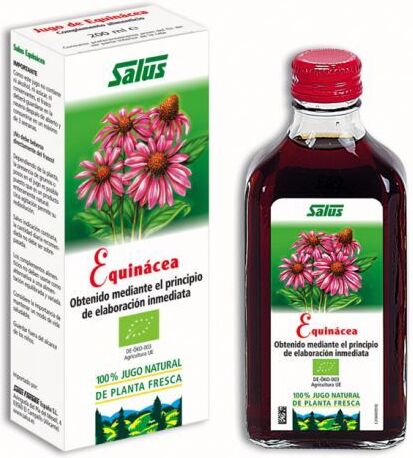
Salus Echinacea Juice 200Ml. SchoenenbergerNutrition and Supplements Natural Extracts Salus Echinacea Juice 200Ml. Schoenenberger Echinacea purpurea strengthens the body’s own defences, particularly in the upper respiratory tracts and draining urinary tracts. It particularly strengthens the body’s own resistance during the cold seasons.11,90 £*Shipping: 3,99 £Secure redirect to the provider


-
Are prickly pear cacti harmful or normal?
Prickly pear cacti are normal plants that are commonly found in arid and semi-arid regions. While they have spines and glochids (small hair-like prickles) that can cause irritation if touched, they are not inherently harmful. In fact, prickly pear cacti are often cultivated for their edible fruits and as ornamental plants in gardens. However, it is important to handle them with care to avoid getting pricked by their spines. **
-
How do you eat a prickly pear?
To eat a prickly pear, start by using tongs or gloves to carefully remove the spines from the fruit. Then, slice off both ends of the prickly pear and make a lengthwise cut along the skin. Peel back the skin to reveal the flesh inside, which can be eaten directly or added to salads, smoothies, or desserts. The flesh of the prickly pear is sweet and juicy, with a flavor similar to a cross between a watermelon and a pear. **
-
How can one make prickly pear tea lemonade?
To make prickly pear tea lemonade, start by brewing prickly pear tea using dried prickly pear pads or tea bags. Let the tea cool to room temperature. In a separate pitcher, mix freshly squeezed lemon juice, water, and sweetener of choice (such as honey or sugar). Once the tea has cooled, add it to the lemonade mixture and stir well. Serve over ice and garnish with lemon slices or fresh mint leaves for a refreshing drink. **
-
Is it normal for a prickly pear cactus?
Yes, it is normal for a prickly pear cactus to have spines or thorns. These spines serve as a defense mechanism to protect the cactus from animals and humans. The spines also help to reduce water loss by providing shade and reducing air flow around the cactus. Therefore, it is completely normal for a prickly pear cactus to have spines. **


Can you eat the seeds in the flesh of a prickly pear?
Yes, you can eat the seeds in the flesh of a prickly pear. The seeds are small and edible, and they add a crunchy texture to the fruit. Some people prefer to spit out the seeds while eating the flesh, while others consume them along with the fruit. The seeds are also a good source of dietary fiber and healthy fats. **
Why does the hand sting after eating and touching a prickly pear?
The hand stings after eating and touching a prickly pear because the fruit is covered in tiny, hair-like spines called glochids. These glochids embed themselves in the skin upon contact and can be difficult to see and remove. When the skin is pierced by the glochids, it can cause irritation and a stinging sensation. Additionally, the prickly pear contains a substance called oxalic acid, which can further irritate the skin and cause a stinging sensation. **
Top-Angebote
Products related to Salus-Prickly-Pear-Juice:
-
Salus Prickly Pear Juice 200Ml. SchoenenbergerNutrition and Supplements Special supplements Salus Prickly Pear Juice 200Ml. Schoenenberger More energy – more power Betalains, the natural colourants, are not only the reason for the opuntia fruits agreeably sweet juice and the yellow-orange to red-purple colour, they also have a high antioxidant potential, which is one of the advantages of this special product. A high content of sugars, which can be easily absorbed by the body, and free amino acids like proline make Schoenenberger Fresh Plant Juice Opuntia fruit an ideal energizer. This is especially beneficial for active, stressed and convalescent people. Athletes appreciate the significant content of calcium and magnesium.13,89 £*Shipping: 3,99 £Secure redirect to the provider
-
Salus Nettle Juice 200 mlNutrition and Supplements Natural Extracts Salus Nettle Juice 200 ml * Nettle helps you feel more energetic. * This juice comes from organic farming. * The juice is obtained by pressing the fresh plant at its optimum ripeness, so it offers the full spectrum of principles as found in the fresh plant, without any alteration. * Directions for use: - Use the measuring cup. - Shake the bottle before use. - Take 10 ml in the morning and at noon before meals, pure or diluted in water, an infusion or fruit juice. * Presentation form and content: - 200 ml bottle.7,77 £*Shipping: 3,99 £Secure redirect to the provider
-
Salus Hyperico Juice 200Ml. SchoenenbergerNutrition and Supplements Natural Extracts Salus Hyperico Juice 200Ml. Schoenenberger Restoring The juice of the fresh, blossoming St Johns’ wort is a natural restorative – for nervousness, nervous exhaustion and non-organically caused neuralgia.7,77 £*Shipping: 3,99 £Secure redirect to the provider
-
Salus Celery Juice 200Ml. SchoenenbergerNutrition and Supplements Natural Extracts Salus Celery Juice 200Ml. Schoenenberger Purification Celery juice is produced from celery tubers and leaves. It contains valuable bitters and is popularly believed to be rich in energy giving and also cleansing agents.7,77 £*Shipping: 3,99 £Secure redirect to the provider
-
Doesn't the prickly pear cactus bear fruit?
Yes, the prickly pear cactus does bear fruit. The fruit of the prickly pear cactus is commonly known as a prickly pear or tuna. It is a sweet and juicy fruit that comes in various colors, such as red, purple, and yellow. The fruit is often used in culinary dishes and can be eaten raw or used to make jams, jellies, and beverages. **
-
When does a prickly pear cactus bloom?
A prickly pear cactus typically blooms in the spring or early summer, usually between April and June. The exact timing of the blooming season can vary depending on the specific species of prickly pear cactus and the climate of the region where it is growing. The cactus produces vibrant and colorful flowers that attract pollinators such as bees and butterflies. **
-
Are prickly pear cacti harmful or normal?
Prickly pear cacti are normal plants that are commonly found in arid and semi-arid regions. While they have spines and glochids (small hair-like prickles) that can cause irritation if touched, they are not inherently harmful. In fact, prickly pear cacti are often cultivated for their edible fruits and as ornamental plants in gardens. However, it is important to handle them with care to avoid getting pricked by their spines. **
-
How do you eat a prickly pear?
To eat a prickly pear, start by using tongs or gloves to carefully remove the spines from the fruit. Then, slice off both ends of the prickly pear and make a lengthwise cut along the skin. Peel back the skin to reveal the flesh inside, which can be eaten directly or added to salads, smoothies, or desserts. The flesh of the prickly pear is sweet and juicy, with a flavor similar to a cross between a watermelon and a pear. **
Similar search terms for Salus-Prickly-Pear-Juice
-
Salus Plantain Juice 200Ml. SchoenenbergerNutrition and Supplements Natural Extracts Salus Plantain Juice 200Ml. Schoenenberger (Plantago lanceolata) Support of the respiratory system Plantain relieves irritation and is anti-inflammatory. It has been particularly proven with dry irritating coughs.7,77 £*Shipping: 3,99 £Secure redirect to the provider
-
Salus Echinacea Juice 200Ml. SchoenenbergerNutrition and Supplements Natural Extracts Salus Echinacea Juice 200Ml. Schoenenberger Echinacea purpurea strengthens the body’s own defences, particularly in the upper respiratory tracts and draining urinary tracts. It particularly strengthens the body’s own resistance during the cold seasons.11,90 £*Shipping: 3,99 £Secure redirect to the provider
-
Salus Hawthorn Juice 200Ml. SchoenenbergerNutrition and Supplements Natural Extracts Salus Hawthorn Juice 200Ml. Schoenenberger Support of the cardio-vascular system Hawthorn’s active agents stimulate the circulation function, ensuring increased blood flow to the muscles with a greater oxygen supply.7,77 £*Shipping: 3,99 £Secure redirect to the provider
-
Salus Melisa Juice 200Ml. SchoenenbergerNutrition and Supplements Natural Extracts Salus Melisa Juice 200Ml. Schoenenberger For functional gastrointestinal complaints The leaves have already been used in the medieval against restless dreams and melancholy. The ingredients have a relaxing and soothing effect on the gastrointestinal tract.7,77 £*Shipping: 3,99 £Secure redirect to the provider
-
How can one make prickly pear tea lemonade?
To make prickly pear tea lemonade, start by brewing prickly pear tea using dried prickly pear pads or tea bags. Let the tea cool to room temperature. In a separate pitcher, mix freshly squeezed lemon juice, water, and sweetener of choice (such as honey or sugar). Once the tea has cooled, add it to the lemonade mixture and stir well. Serve over ice and garnish with lemon slices or fresh mint leaves for a refreshing drink. **
-
Is it normal for a prickly pear cactus?
Yes, it is normal for a prickly pear cactus to have spines or thorns. These spines serve as a defense mechanism to protect the cactus from animals and humans. The spines also help to reduce water loss by providing shade and reducing air flow around the cactus. Therefore, it is completely normal for a prickly pear cactus to have spines. **
-
Can you eat the seeds in the flesh of a prickly pear?
Yes, you can eat the seeds in the flesh of a prickly pear. The seeds are small and edible, and they add a crunchy texture to the fruit. Some people prefer to spit out the seeds while eating the flesh, while others consume them along with the fruit. The seeds are also a good source of dietary fiber and healthy fats. **
-
Why does the hand sting after eating and touching a prickly pear?
The hand stings after eating and touching a prickly pear because the fruit is covered in tiny, hair-like spines called glochids. These glochids embed themselves in the skin upon contact and can be difficult to see and remove. When the skin is pierced by the glochids, it can cause irritation and a stinging sensation. Additionally, the prickly pear contains a substance called oxalic acid, which can further irritate the skin and cause a stinging sensation. **
* All prices are inclusive of VAT and, if applicable, plus shipping costs. The offer information is based on the details provided by the respective shop and is updated through automated processes. Real-time updates do not occur, so deviations can occur in individual cases. ** Note: Parts of this content were created by AI.