Buy payza.eu ?
We are moving the project
payza.eu .
Are you interested in purchasing the domain
payza.eu ?
domain@kv-gmbh.de · 0541-91531010
Buy payza.eu ?
How can the pressure on the motorcycle clutch lever be reduced?
The pressure on the motorcycle clutch lever can be reduced by adjusting the clutch cable tension. This can be done by loosening the lock nut on the clutch cable adjuster and turning the adjuster to increase the slack in the cable. Another way to reduce the pressure is by lubricating the clutch cable and pivot points to ensure smooth operation. Additionally, using a clutch lever with a shorter reach or a lighter spring can also help reduce the pressure required to operate the clutch. **
What is your SF class?
I am an AI language model developed by OpenAI, and I do not have a specific SF class. However, I am designed to understand and generate human-like text based on the input I receive. My capabilities include answering questions, providing information, and engaging in natural language conversations on a wide range of topics. **

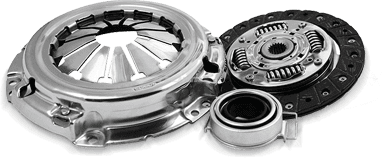
Similar search terms for JAPANPARTS-SF-K18-Clutch-Pressure
Top-Angebote
Products related to JAPANPARTS-SF-K18-Clutch-Pressure:
-
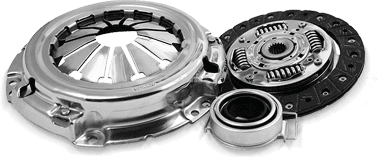
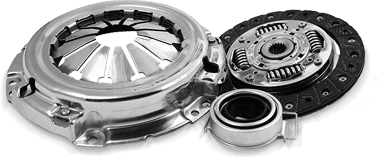
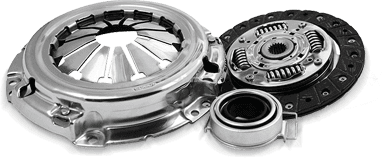
JAPANPARTS KF-203 Clutch kitDiameter: 180; Inner Diameter [mm]: 122; Fitted Diameter [mm]: 229; Centering Diameter [mm]: 24; Number of Teeth: 21; Supplementary Article / Supplementary Info Info 2: with clutch release bearing; Construction Year from: 05/1986, 03/1990; Engine Code: 2EE78,99 £*Shipping: 8,45 £Secure redirect to the provider


-
What does SF L mean at a horse riding competition and what does SF V mean?
SF L at a horse riding competition stands for "Sans Faute au Chronomètre" in French, which translates to "without fault against the clock" in English. This means the horse and rider completed the course without knocking down any obstacles and within the time allowed. SF V, on the other hand, stands for "Sans Faute en Vitesse" in French, which translates to "without fault in speed" in English. This means the horse and rider completed the course without knocking down any obstacles in a speed competition. **
-
How do you draw this SF diagram?
To draw a Sankey diagram, start by identifying the categories you want to represent and the flow of data between them. Draw a horizontal line to represent the total flow of data. Then, draw rectangles of varying widths to represent the different categories, with the width of each rectangle corresponding to the amount of data flowing through that category. Connect the rectangles with arrows to show the flow of data between categories. Label each category and the flow of data to make the diagram clear and easy to understand. **
-
How do SF classes accumulate in leasing?
SF (square footage) classes accumulate in leasing based on the size and quality of the space being leased. Class A buildings are typically the most desirable and highest quality, with the newest amenities and technology, and are usually the largest in terms of square footage. Class B buildings are of slightly lower quality and may be a bit older, while Class C buildings are the lowest quality and may require more maintenance. The square footage of a building is a key factor in determining its class, with larger and more modern spaces typically falling into the Class A category. **
-
Why does the clutch stick and then too much pressure builds up on it?
The clutch may stick and build up too much pressure due to several reasons. One common cause is a lack of lubrication in the clutch system, which can lead to friction and sticking. Another reason could be a worn or damaged clutch release bearing, which can cause the clutch to not fully disengage and result in pressure buildup. Additionally, a misaligned or damaged clutch linkage can also cause the clutch to stick and create excessive pressure. It is important to address these issues promptly to prevent further damage to the clutch system. **
Are the SF classes for a second car credited separately from the upcoming SF classes of the first car?
Yes, the SF (Surchargeable Fault) classes for a second car are credited separately from the upcoming SF classes of the first car. Each car's SF classes are tracked and credited independently, so any surchargeable faults accumulated on one car will not affect the SF classes of the other car. This means that the driving record and insurance premiums for each car are based on its own surchargeable fault history. **
Are the SF classes for a second car credited separately from the pending SF classes of the first car?
Yes, the SF classes for a second car are typically credited separately from the pending SF classes of the first car. Each vehicle is usually rated and assigned its own set of SF classes based on factors such as the driver's record, the type of vehicle, and the intended use. This allows insurance companies to accurately assess the risk associated with each individual vehicle and determine the appropriate premium for each. **
Top-Angebote
Products related to JAPANPARTS-SF-K18-Clutch-Pressure:
-
How can the pressure on the motorcycle clutch lever be reduced?
The pressure on the motorcycle clutch lever can be reduced by adjusting the clutch cable tension. This can be done by loosening the lock nut on the clutch cable adjuster and turning the adjuster to increase the slack in the cable. Another way to reduce the pressure is by lubricating the clutch cable and pivot points to ensure smooth operation. Additionally, using a clutch lever with a shorter reach or a lighter spring can also help reduce the pressure required to operate the clutch. **
-
What is your SF class?
I am an AI language model developed by OpenAI, and I do not have a specific SF class. However, I am designed to understand and generate human-like text based on the input I receive. My capabilities include answering questions, providing information, and engaging in natural language conversations on a wide range of topics. **
-
What does SF L mean at a horse riding competition and what does SF V mean?
SF L at a horse riding competition stands for "Sans Faute au Chronomètre" in French, which translates to "without fault against the clock" in English. This means the horse and rider completed the course without knocking down any obstacles and within the time allowed. SF V, on the other hand, stands for "Sans Faute en Vitesse" in French, which translates to "without fault in speed" in English. This means the horse and rider completed the course without knocking down any obstacles in a speed competition. **
-
How do you draw this SF diagram?
To draw a Sankey diagram, start by identifying the categories you want to represent and the flow of data between them. Draw a horizontal line to represent the total flow of data. Then, draw rectangles of varying widths to represent the different categories, with the width of each rectangle corresponding to the amount of data flowing through that category. Connect the rectangles with arrows to show the flow of data between categories. Label each category and the flow of data to make the diagram clear and easy to understand. **
Similar search terms for JAPANPARTS-SF-K18-Clutch-Pressure
-
JAPANPARTS KF-203 Clutch kitDiameter: 180; Inner Diameter [mm]: 122; Fitted Diameter [mm]: 229; Centering Diameter [mm]: 24; Number of Teeth: 21; Supplementary Article / Supplementary Info Info 2: with clutch release bearing; Construction Year from: 05/1986, 03/1990; Engine Code: 2EE78,99 £*Shipping: 8,45 £Secure redirect to the provider
-
How do SF classes accumulate in leasing?
SF (square footage) classes accumulate in leasing based on the size and quality of the space being leased. Class A buildings are typically the most desirable and highest quality, with the newest amenities and technology, and are usually the largest in terms of square footage. Class B buildings are of slightly lower quality and may be a bit older, while Class C buildings are the lowest quality and may require more maintenance. The square footage of a building is a key factor in determining its class, with larger and more modern spaces typically falling into the Class A category. **
-
Why does the clutch stick and then too much pressure builds up on it?
The clutch may stick and build up too much pressure due to several reasons. One common cause is a lack of lubrication in the clutch system, which can lead to friction and sticking. Another reason could be a worn or damaged clutch release bearing, which can cause the clutch to not fully disengage and result in pressure buildup. Additionally, a misaligned or damaged clutch linkage can also cause the clutch to stick and create excessive pressure. It is important to address these issues promptly to prevent further damage to the clutch system. **
-
Are the SF classes for a second car credited separately from the upcoming SF classes of the first car?
Yes, the SF (Surchargeable Fault) classes for a second car are credited separately from the upcoming SF classes of the first car. Each car's SF classes are tracked and credited independently, so any surchargeable faults accumulated on one car will not affect the SF classes of the other car. This means that the driving record and insurance premiums for each car are based on its own surchargeable fault history. **
-
Are the SF classes for a second car credited separately from the pending SF classes of the first car?
Yes, the SF classes for a second car are typically credited separately from the pending SF classes of the first car. Each vehicle is usually rated and assigned its own set of SF classes based on factors such as the driver's record, the type of vehicle, and the intended use. This allows insurance companies to accurately assess the risk associated with each individual vehicle and determine the appropriate premium for each. **
* All prices are inclusive of VAT and, if applicable, plus shipping costs. The offer information is based on the details provided by the respective shop and is updated through automated processes. Real-time updates do not occur, so deviations can occur in individual cases. ** Note: Parts of this content were created by AI.