Buy payza.eu ?
We are moving the project
payza.eu .
Are you interested in purchasing the domain
payza.eu ?
domain@kv-gmbh.de · 0541-91531010
Buy payza.eu ?
Is an online payment secure?
Online payments can be secure if proper security measures are in place. This includes using secure websites with encryption, using trusted payment processors, and being cautious with sharing personal and financial information. It's important to look for the "https" in the website URL and a lock symbol in the address bar to ensure the website is secure. Additionally, using strong and unique passwords for online accounts can also help enhance security. **
Can I use yeast dough as pizza dough?
Yes, you can use yeast dough as pizza dough. In fact, traditional pizza dough is made with yeast to help it rise and create a light, airy crust. The yeast helps to give the dough a chewy texture and develop flavor as it ferments. Just be sure to let the dough rise properly before shaping and baking it for the best results. **


Similar search terms for Dough
Top-Angebote
Products related to Dough:
-
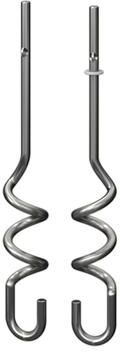
Ninja Foodi Dough HooksPower through the toughest doughs, such as bread, pizza, and dinner rolls, with dedicated dough hooks. Comes with two (2) dough hooks and is used with the Hand Mixer Attachment. Top-rack dishwasher safe or hand-wash in warm, soapy water.21,89 $*Shipping: 0,00 $Secure redirect to the provider
-
Youfap Market Lattice Roller Docker Dough Cutter Tool, Stainless Steel Spaghetti Noodle Maker, DIY Kitchen Helper For Dough Cutting Lattice Roller Docker Dough Cutter Tool, Stainless Steel Spaghetti Noodle Maker, DIY Kitchen Helper For Dough CuttingPerfect for Homemade Noodles The Stainless Steel Spaghetti Noodle Maker is your perfect kitchen tool for creating fresh, homemade noodles. Whether youre preparing pasta for dinner or experimenting with unique dough recipes, this tool delivers clean,...31,97 $*Shipping: 0,00 $Secure redirect to the provider
-
Smart Shopping Spot Silicone Dough Slicer, Pastry Pizza Cutter Blade, Dough Scraper For Baking, Kitchen Tool grayEfficient Dough Scraper for Baking: Make your baking tasks simpler and more precise with this dough scraper for baking. Crafted from highquality silicone, this tool is perfect for cutting dough, pastries, and even slicing pizza with ease. Its...29,97 $*Shipping: 0,00 $Secure redirect to the provider


-
What are the particularities of stirred dough and yeast dough?
Stirred dough is typically made by mixing the ingredients together quickly and does not require kneading. It is often used for quick breads like muffins or pancakes. Yeast dough, on the other hand, requires more time and effort as it needs to be kneaded to develop gluten and allow the yeast to ferment and rise. Yeast dough is commonly used for breads like baguettes or pizza crusts. The main difference between the two is the leavening agent used - stirred dough relies on chemical leaveners like baking powder, while yeast dough uses yeast for fermentation. **
-
What are the special characteristics of stirred dough and yeast dough?
Stirred dough is typically softer and stickier compared to yeast dough, which is firmer and more elastic. Stirred dough is usually mixed quickly and does not require kneading, while yeast dough needs to be kneaded to develop gluten and create structure. Yeast dough also requires time to rise and ferment, resulting in a lighter and more airy texture compared to stirred dough. **
-
What is the difference between yeast dough and quark-oil dough?
Yeast dough is made with flour, water, yeast, sugar, and sometimes eggs and butter. It requires time to rise and ferment, resulting in a light and airy texture. Quark-oil dough, on the other hand, is made with flour, quark (a type of fresh cheese), oil, and a leavening agent such as baking powder. It does not require rising time and has a denser, crumbly texture. Yeast dough is commonly used for breads and pastries, while quark-oil dough is often used for pastries and cookies. **
-
What is yeast dough?
Yeast dough is a type of dough that is leavened with yeast, causing it to rise and become light and airy. Yeast is a living organism that feeds on sugars in the dough, producing carbon dioxide gas which creates bubbles in the dough, causing it to expand. This process gives yeast dough its characteristic texture and flavor, making it ideal for breads, rolls, and other baked goods. Yeast dough requires time to rise and proof, allowing the yeast to do its work and develop the dough's structure. **

Is raw dough unhealthy?
Yes, raw dough can be unhealthy because it may contain harmful bacteria such as E. coli and salmonella, which can cause food poisoning. Additionally, raw dough often contains uncooked eggs and flour, which can also carry bacteria. It is important to avoid consuming raw dough to reduce the risk of foodborne illness. Instead, it is recommended to bake the dough before consuming it. **
Salt dough or clay?
Both salt dough and clay have their own advantages and disadvantages. Salt dough is easy to make at home with simple ingredients, but it is not as durable as clay once it dries. On the other hand, clay is more durable and can be fired in a kiln for a permanent finish, but it can be more expensive and requires special equipment. Ultimately, the choice between salt dough and clay depends on the project at hand and personal preference. **
Top-Angebote
Products related to Dough:
-
KitchenCuration BakeVille Danish Dough Whisk BakeVille Danish Dough WhiskBlending cake batter with a spoon isn't as easy as it looks. Even after putting lots of effort into properly mixing it, you still find small lumps in it. If that's the case, turn the table around with our BakeVille Danish Dough Whisk. It helps you...22,97 $*Shipping: 0,00 $Secure redirect to the provider
-
Ninja Foodi Dough HooksPower through the toughest doughs, such as bread, pizza, and dinner rolls, with dedicated dough hooks. Comes with two (2) dough hooks and is used with the Hand Mixer Attachment. Top-rack dishwasher safe or hand-wash in warm, soapy water.21,89 $*Shipping: 0,00 $Secure redirect to the provider
-
Youfap Market Lattice Roller Docker Dough Cutter Tool, Stainless Steel Spaghetti Noodle Maker, DIY Kitchen Helper For Dough Cutting Lattice Roller Docker Dough Cutter Tool, Stainless Steel Spaghetti Noodle Maker, DIY Kitchen Helper For Dough CuttingPerfect for Homemade Noodles The Stainless Steel Spaghetti Noodle Maker is your perfect kitchen tool for creating fresh, homemade noodles. Whether youre preparing pasta for dinner or experimenting with unique dough recipes, this tool delivers clean,...31,97 $*Shipping: 0,00 $Secure redirect to the provider
-
Is an online payment secure?
Online payments can be secure if proper security measures are in place. This includes using secure websites with encryption, using trusted payment processors, and being cautious with sharing personal and financial information. It's important to look for the "https" in the website URL and a lock symbol in the address bar to ensure the website is secure. Additionally, using strong and unique passwords for online accounts can also help enhance security. **
-
Can I use yeast dough as pizza dough?
Yes, you can use yeast dough as pizza dough. In fact, traditional pizza dough is made with yeast to help it rise and create a light, airy crust. The yeast helps to give the dough a chewy texture and develop flavor as it ferments. Just be sure to let the dough rise properly before shaping and baking it for the best results. **
-
What are the particularities of stirred dough and yeast dough?
Stirred dough is typically made by mixing the ingredients together quickly and does not require kneading. It is often used for quick breads like muffins or pancakes. Yeast dough, on the other hand, requires more time and effort as it needs to be kneaded to develop gluten and allow the yeast to ferment and rise. Yeast dough is commonly used for breads like baguettes or pizza crusts. The main difference between the two is the leavening agent used - stirred dough relies on chemical leaveners like baking powder, while yeast dough uses yeast for fermentation. **
-
What are the special characteristics of stirred dough and yeast dough?
Stirred dough is typically softer and stickier compared to yeast dough, which is firmer and more elastic. Stirred dough is usually mixed quickly and does not require kneading, while yeast dough needs to be kneaded to develop gluten and create structure. Yeast dough also requires time to rise and ferment, resulting in a lighter and more airy texture compared to stirred dough. **
Similar search terms for Dough
-
Smart Shopping Spot Silicone Dough Slicer, Pastry Pizza Cutter Blade, Dough Scraper For Baking, Kitchen Tool grayEfficient Dough Scraper for Baking: Make your baking tasks simpler and more precise with this dough scraper for baking. Crafted from highquality silicone, this tool is perfect for cutting dough, pastries, and even slicing pizza with ease. Its...29,97 $*Shipping: 0,00 $Secure redirect to the provider
-
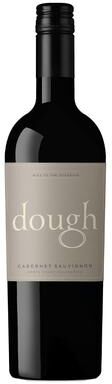
"""dough Cabernet Sauvignon 2020 Red Wine - California""""""Mendocino fruit provides the backbone for this expressive Cabernet Sauvignon. To fully extract color and tannins, the juice was left in contact with the skins for an extended maceration period, drawing layers of aroma and flavors from the fruit..."20,99 $*Shipping: 0,00 $Secure redirect to the provider
-
Dough by Richard Bertinet - Non Fiction - PaperbackTitle:. Dough By Richard Bertinet Condition: BRAND NEW. Format: Paperback. ISBN: 9781856267625 Overview:. Dive into the art of bread-making with "Dough" by Richard Bertinet, a transformative guide that elevates everyday baking into a rewarding craft. This paperback book offers a fresh approach to creating artisan loaves, focusing on Bertinet's innovative technique of 'working' the dough rather than traditional kneading. This method infuses air into the mixture, resulting in lighter, more flavourful breads that avoid the dense results often associated with home baking. Spanning five key chapters, the book begins with foundational recipes like White, Olive Oil, Brown, Rye, and Sweet doughs, then branches out to inspire a wide array of variations. Whether you're crafting a simple baguette or experimenting with infused flavours, Bertinet's clear instructions and step-by-step guidance make complex techniques accessible to all. As an award-winning resource, this book not only teaches the science behind bread but also celebrates the sensory joy of baking, from the feel of dough under your hands to the aroma of a fresh-baked loaf. Ideal for those seeking to master baking basics or refine their skills, "Dough" stands out in the realm of non-fiction cookbooks by blending practical advice with creative inspiration. With its UK edition roots, it's perfectly tailored for British readers looking for reliable, home-tested recipes that encourage kitchen confidence. Purchasing this book means investing in a tool that could change how you view bread forever, offering endless possibilities for daily meals and special occasions, all while promoting a sustainable, hands-on lifestyle. What Makes This Book Stand Out:. What truly sets "Dough" by Richard Bertinet apart is its emphasis on technique over rote recipes, making it a standout in the crowded world of baking guides. Bertinet's method of working the dough by hand—stretching and folding to build structure—creates breads with superior texture and rise, addressing common frustrations like flat or heavy loaves that plague amateur bakers. This approach draws from Bertinet's professional background, infusing the book with authentic, real-world insights that go beyond basic instructions. The book's structure, with its 'parent' dough concept, allows readers to adapt and innovate, turning one base recipe into dozens of outcomes, which fosters creativity and reduces waste in the kitchen. Themes of mindfulness and sensory engagement shine through, as Bertinet encourages readers to connect with the process, turning baking into a therapeutic ritual. Educational elements, such as detailed explanations of fermentation and ingredient interactions, add depth without overwhelming beginners, making it relevant for both novice and experienced bakers. In a market saturated with generic cookbooks, "Dough" offers a personal touch, with Bertinet's warm, encouraging tone that feels like guidance from a trusted mentor. Its award-winning...99,99 £*Shipping: 0,00 £Secure redirect to the provider
-
What is the difference between yeast dough and quark-oil dough?
Yeast dough is made with flour, water, yeast, sugar, and sometimes eggs and butter. It requires time to rise and ferment, resulting in a light and airy texture. Quark-oil dough, on the other hand, is made with flour, quark (a type of fresh cheese), oil, and a leavening agent such as baking powder. It does not require rising time and has a denser, crumbly texture. Yeast dough is commonly used for breads and pastries, while quark-oil dough is often used for pastries and cookies. **
-
What is yeast dough?
Yeast dough is a type of dough that is leavened with yeast, causing it to rise and become light and airy. Yeast is a living organism that feeds on sugars in the dough, producing carbon dioxide gas which creates bubbles in the dough, causing it to expand. This process gives yeast dough its characteristic texture and flavor, making it ideal for breads, rolls, and other baked goods. Yeast dough requires time to rise and proof, allowing the yeast to do its work and develop the dough's structure. **
-
Is raw dough unhealthy?
Yes, raw dough can be unhealthy because it may contain harmful bacteria such as E. coli and salmonella, which can cause food poisoning. Additionally, raw dough often contains uncooked eggs and flour, which can also carry bacteria. It is important to avoid consuming raw dough to reduce the risk of foodborne illness. Instead, it is recommended to bake the dough before consuming it. **
-
Salt dough or clay?
Both salt dough and clay have their own advantages and disadvantages. Salt dough is easy to make at home with simple ingredients, but it is not as durable as clay once it dries. On the other hand, clay is more durable and can be fired in a kiln for a permanent finish, but it can be more expensive and requires special equipment. Ultimately, the choice between salt dough and clay depends on the project at hand and personal preference. **
* All prices are inclusive of VAT and, if applicable, plus shipping costs. The offer information is based on the details provided by the respective shop and is updated through automated processes. Real-time updates do not occur, so deviations can occur in individual cases. ** Note: Parts of this content were created by AI.