Buy payza.eu ?
We are moving the project
payza.eu .
Are you interested in purchasing the domain
payza.eu ?
domain@kv-gmbh.de · 0541-91531010
Buy payza.eu ?
What signs are noticeable after the crankshaft sensor has been replaced?
After the crankshaft sensor has been replaced, noticeable signs may include improved engine performance, smoother idling, and better fuel efficiency. The engine may also start more easily and the vehicle may experience fewer instances of stalling or misfiring. Additionally, any previous issues with the engine's timing or ignition system may be resolved. **
Where is the crankshaft sensor located on a 2004 Audi A6 2.4 V6 with 177 horsepower?
The crankshaft sensor on a 2004 Audi A6 2.4 V6 with 177 horsepower is typically located near the bottom of the engine, behind the crankshaft pulley. It is usually mounted on the engine block or the transmission bell housing, close to where the crankshaft is located. To access the crankshaft sensor, you may need to remove some components such as the engine cover or other parts to reach it. **

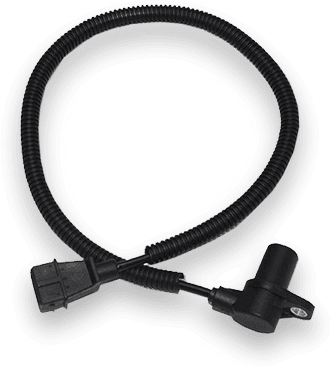
Similar search terms for DENSO-DCPS-0113-Crankshaft-sensor
Top-Angebote
Products related to DENSO-DCPS-0113-Crankshaft-sensor:
-
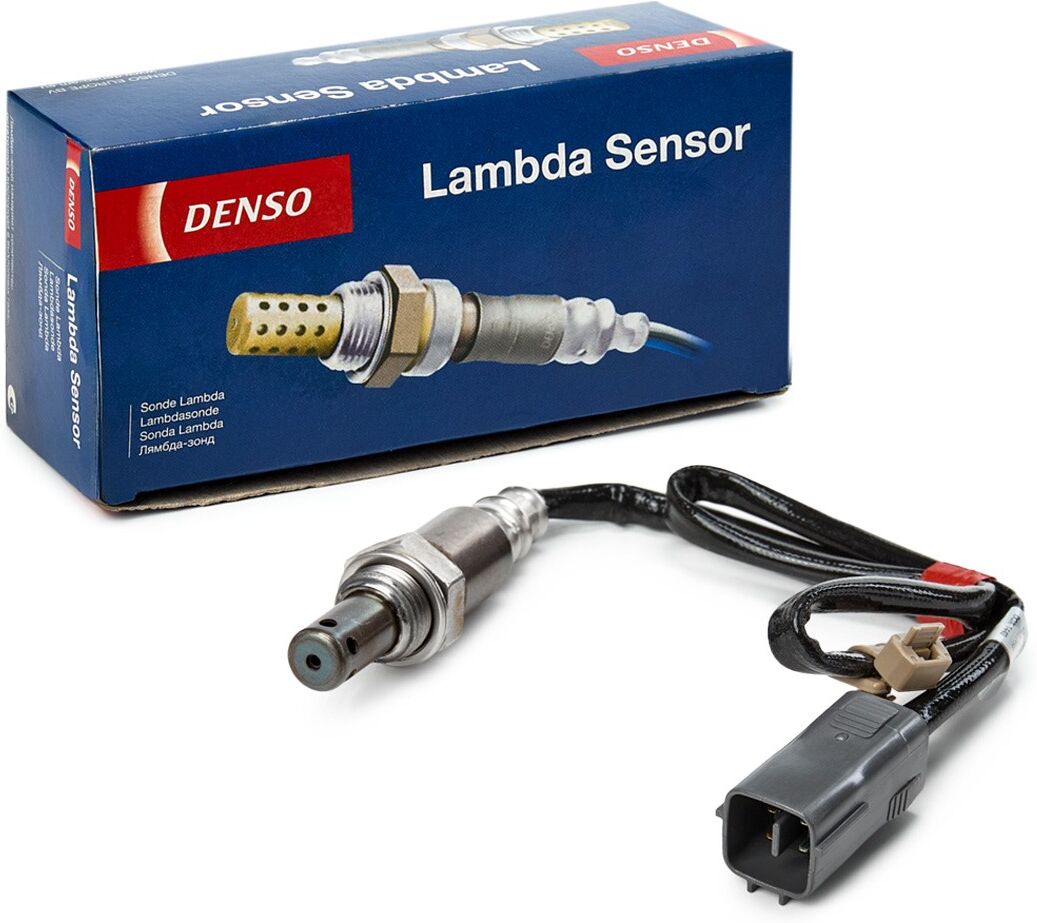
DENSO DOX-1449 Lambda sensorOxygen Sensor: Heated, Planar Sensor, Broadband Oxygen Sensor; Thread Size: M18x1,5, M18x1.5; Cable Length [mm]: 540; Number of pins: 4; Manufacturer Restriction: DENSO; for OE number: N3H1188G1B; for OE number: N3H1-18-8G1B; Quality: OE; Weight [g]: 100; Gross Weight [g]: 133; Product line: Direct Fit; Construction Year to: 03/2008; Transmission Type: 5-Speed Manual Transmission; Exhaust System: for pre-catalytic converter104,99 £*Shipping: 8,45 £Secure redirect to the provider
-
DENSO DOX-0262 Lambda sensorOxygen Sensor: Heated, Planar Sensor, Broadband Oxygen Sensor; Thread Size: M18x1,5, M18x1.5; Cable Length [mm]: 360; Number of pins: 4; Manufacturer Restriction: DENSO; for OE number: 8946747010; for OE number: 89467-47010; Quality: OE; Weight [g]: 101; Gross Weight [g]: 134; Product line: Direct Fit; Transmission Type: Automatic Transmission; Exhaust System: for pre-catalytic converter98,99 £*Shipping: 8,45 £Secure redirect to the provider
-
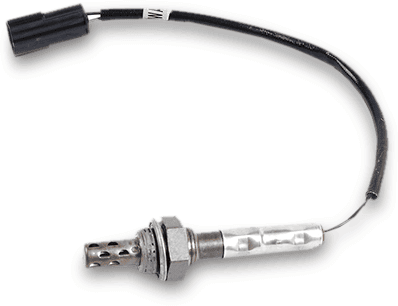
DENSO DOX-0280 Lambda sensorOxygen Sensor: Heated, Finger-type Sensor, Thread pre-greased; Oxygen Sensor: Diagnostic Probe; Thread Size: M18x1.5, M18x1,5; Number of pins: 4; Weight [g]: 113; Supplementary Article / Supplementary Info Info 2: with rubber grommet; Manufacturer Restriction: DENSO; for OE number: 8946542070; for OE number: 89465-02090, 89465-42070, 89465-12600; Quality: OE; Gross Weight [g]: 146; Product line: Direct Fit; Exhaust System: for pre-catalytic converter; Fitting Position: Left, Right; Construction Year to: 08/2005; Transmission Type: Automatic Transmission62,99 £*Shipping: 8,45 £Secure redirect to the provider
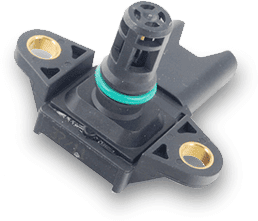

-
What happened to this digital camera sensor?
It appears that the digital camera sensor has been damaged or has malfunctioned. This is indicated by the distorted and discolored image it is producing. The sensor may have been exposed to physical damage, moisture, or extreme temperatures, causing it to no longer function properly. In this state, the sensor will likely need to be repaired or replaced in order to restore the camera's functionality. **
-
What is the difference between a kickstart crankshaft and an electric start crankshaft?
A kickstart crankshaft is designed to be manually started by using a kick lever, requiring physical effort from the rider to start the engine. On the other hand, an electric start crankshaft is equipped with an electric starter motor that allows the rider to start the engine with the push of a button, without the need for physical exertion. Electric start crankshafts are typically found on more modern motorcycles, offering convenience and ease of use compared to kickstart crankshafts. **
-
How is the measurement of machines carried out according to VDE 0113?
The measurement of machines according to VDE 0113 is carried out by following specific guidelines and standards set by the VDE (Verband der Elektrotechnik, Elektronik und Informationstechnik). This includes measuring the electrical parameters of the machine, such as voltage, current, power, and energy consumption, to ensure compliance with safety and performance standards. The measurements are typically conducted using calibrated instruments and equipment, and the results are compared against the specified limits and requirements outlined in VDE 0113. Additionally, the measurements may also involve testing for insulation resistance, protective measures, and other safety-related parameters to ensure the safe operation of the machine. **
-
How can the crankshaft be filed?
The crankshaft can be filed by using a precision file to remove any burrs, nicks, or imperfections on the surface. It is important to use a file that is specifically designed for metalworking and to work carefully and methodically to avoid damaging the crankshaft. The filing process should be done with the crankshaft securely held in place to prevent any movement or flexing. After filing, the crankshaft should be thoroughly cleaned and inspected to ensure that the filing has achieved the desired result. **

How does the crankshaft slide horizontally?
The crankshaft slides horizontally through the use of bearings and lubrication. The bearings are placed at specific points along the crankshaft to reduce friction and allow for smooth horizontal movement. Additionally, lubrication is applied to the bearings to further reduce friction and ensure the crankshaft can slide easily. This horizontal movement is essential for the crankshaft to transfer the up-and-down motion of the pistons into rotational motion. **
"Can the original crankshaft handle it?"
The original crankshaft may or may not be able to handle it, depending on the specific circumstances. Factors such as the engine's power output, the type of modifications being made, and the condition of the original crankshaft will all play a role in determining whether it can handle the changes. It's important to consult with a knowledgeable mechanic or engineer to assess the crankshaft's capabilities and determine if any upgrades or replacements are necessary. **
Top-Angebote
Products related to DENSO-DCPS-0113-Crankshaft-sensor:
-
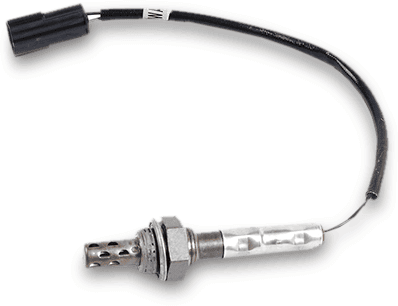
DENSO DOX-0113 Lambda sensorOxygen Sensor: Heated, Switching-type Oxygen Sensor; Oxygen Sensor: Diagnostic Probe; Thread Size: M18x1,5, M18x1.5; Cable Length [mm]: 750; Number of pins: 4; Quality: OE; Weight [g]: 95; Gross Weight [g]: 144; Product line: Universal fit; Construction Year from: 09/2012, 12/2003, 06/2000, 05/1999, 07/1997, 03/2000, 07/2001, 08/2000, 07/2000, 05/2000, 12/2001, 01/2004, 01/2006, 10/2009; Construction Year to: 11/2015, 06/2009, 08/2017, 06/1997, 06/2001, 01/2004, 12/2003, 04/2002, 08/2002, 08/2005, 06/2007, 09/2001, 05/2003, 02/2006, 06/2008, 02/2009, 11/2007, 04/2010, 10/2010, 08/2013, 05/2018; Exhaust System: for pre-catalytic converter, after catalytic converter; for OE number: 1588A141, 1618 ER, 1618 ES, 1588A171 / 1588A270, MD369189 & MR578604, MR578493, 18213-65J12, 1588A235 / 1588A082; Fitting Position: Left, Right; Transmission Type: Automatic Transmission, Manual Transmission; TecDoc Engine Number: 11552, 9847, 24250, 27021; Vehicle Identification Number (VIN) to: 254962, 206987, 130708, 255384, 92351; Vehicle Identification Number (VIN) from: V00150001, S00280001; not for emissions standard: Euro 5; Vehicle Production Country: Russia43,99 £*Shipping: 8,45 £Secure redirect to the provider
-
DENSO DOX-1449 Lambda sensorOxygen Sensor: Heated, Planar Sensor, Broadband Oxygen Sensor; Thread Size: M18x1,5, M18x1.5; Cable Length [mm]: 540; Number of pins: 4; Manufacturer Restriction: DENSO; for OE number: N3H1188G1B; for OE number: N3H1-18-8G1B; Quality: OE; Weight [g]: 100; Gross Weight [g]: 133; Product line: Direct Fit; Construction Year to: 03/2008; Transmission Type: 5-Speed Manual Transmission; Exhaust System: for pre-catalytic converter104,99 £*Shipping: 8,45 £Secure redirect to the provider
-
What signs are noticeable after the crankshaft sensor has been replaced?
After the crankshaft sensor has been replaced, noticeable signs may include improved engine performance, smoother idling, and better fuel efficiency. The engine may also start more easily and the vehicle may experience fewer instances of stalling or misfiring. Additionally, any previous issues with the engine's timing or ignition system may be resolved. **
-
Where is the crankshaft sensor located on a 2004 Audi A6 2.4 V6 with 177 horsepower?
The crankshaft sensor on a 2004 Audi A6 2.4 V6 with 177 horsepower is typically located near the bottom of the engine, behind the crankshaft pulley. It is usually mounted on the engine block or the transmission bell housing, close to where the crankshaft is located. To access the crankshaft sensor, you may need to remove some components such as the engine cover or other parts to reach it. **
-
What happened to this digital camera sensor?
It appears that the digital camera sensor has been damaged or has malfunctioned. This is indicated by the distorted and discolored image it is producing. The sensor may have been exposed to physical damage, moisture, or extreme temperatures, causing it to no longer function properly. In this state, the sensor will likely need to be repaired or replaced in order to restore the camera's functionality. **
-
What is the difference between a kickstart crankshaft and an electric start crankshaft?
A kickstart crankshaft is designed to be manually started by using a kick lever, requiring physical effort from the rider to start the engine. On the other hand, an electric start crankshaft is equipped with an electric starter motor that allows the rider to start the engine with the push of a button, without the need for physical exertion. Electric start crankshafts are typically found on more modern motorcycles, offering convenience and ease of use compared to kickstart crankshafts. **
Similar search terms for DENSO-DCPS-0113-Crankshaft-sensor
-
DENSO DOX-0262 Lambda sensorOxygen Sensor: Heated, Planar Sensor, Broadband Oxygen Sensor; Thread Size: M18x1,5, M18x1.5; Cable Length [mm]: 360; Number of pins: 4; Manufacturer Restriction: DENSO; for OE number: 8946747010; for OE number: 89467-47010; Quality: OE; Weight [g]: 101; Gross Weight [g]: 134; Product line: Direct Fit; Transmission Type: Automatic Transmission; Exhaust System: for pre-catalytic converter98,99 £*Shipping: 8,45 £Secure redirect to the provider
-
DENSO DOX-0280 Lambda sensorOxygen Sensor: Heated, Finger-type Sensor, Thread pre-greased; Oxygen Sensor: Diagnostic Probe; Thread Size: M18x1.5, M18x1,5; Number of pins: 4; Weight [g]: 113; Supplementary Article / Supplementary Info Info 2: with rubber grommet; Manufacturer Restriction: DENSO; for OE number: 8946542070; for OE number: 89465-02090, 89465-42070, 89465-12600; Quality: OE; Gross Weight [g]: 146; Product line: Direct Fit; Exhaust System: for pre-catalytic converter; Fitting Position: Left, Right; Construction Year to: 08/2005; Transmission Type: Automatic Transmission62,99 £*Shipping: 8,45 £Secure redirect to the provider
-
DENSO DOX-0318 Lambda sensorOxygen Sensor: Heated, Finger-type Sensor, Thread pre-greased; Oxygen Sensor: Diagnostic Probe; Thread Size: M18x1,5, M18x1.5; Cable Length [mm]: 330; Number of pins: 4; Manufacturer Restriction: DENSO; for OE number: GY0518861A; for OE number: L34318861A; Quality: OE; Weight [g]: 95; Gross Weight [g]: 128; Product line: Direct Fit; Exhaust System: for pre-catalytic converter88,99 £*Shipping: 8,45 £Secure redirect to the provider
-
DENSO DOX-1098 Lambda sensorOxygen Sensor: Heated, Finger-type Sensor, Switching-type Oxygen Sensor; Oxygen Sensor: Diagnostic Probe; Thread Size: M18x1,5; Cable Length [mm]: 265; Number of pins: 4; Manufacturer Restriction: DENSO; for OE number: 0005407417; for OE number: 0005409717, 0005402817; Quality: OE; Weight [g]: 88; Gross Weight [g]: 118; Product line: Direct Fit; Fitting Position: Left, Right; Vehicle Identification Number (VIN) from: F125158, A436536, F483848; TecDoc Engine Number: 11496; Transmission Type: Automatic Transmission; Exhaust System: for pre-catalytic converter, after catalytic converter; Construction Year to: 09/200054,49 £*Shipping: 8,45 £Secure redirect to the provider
-
How is the measurement of machines carried out according to VDE 0113?
The measurement of machines according to VDE 0113 is carried out by following specific guidelines and standards set by the VDE (Verband der Elektrotechnik, Elektronik und Informationstechnik). This includes measuring the electrical parameters of the machine, such as voltage, current, power, and energy consumption, to ensure compliance with safety and performance standards. The measurements are typically conducted using calibrated instruments and equipment, and the results are compared against the specified limits and requirements outlined in VDE 0113. Additionally, the measurements may also involve testing for insulation resistance, protective measures, and other safety-related parameters to ensure the safe operation of the machine. **
-
How can the crankshaft be filed?
The crankshaft can be filed by using a precision file to remove any burrs, nicks, or imperfections on the surface. It is important to use a file that is specifically designed for metalworking and to work carefully and methodically to avoid damaging the crankshaft. The filing process should be done with the crankshaft securely held in place to prevent any movement or flexing. After filing, the crankshaft should be thoroughly cleaned and inspected to ensure that the filing has achieved the desired result. **
-
How does the crankshaft slide horizontally?
The crankshaft slides horizontally through the use of bearings and lubrication. The bearings are placed at specific points along the crankshaft to reduce friction and allow for smooth horizontal movement. Additionally, lubrication is applied to the bearings to further reduce friction and ensure the crankshaft can slide easily. This horizontal movement is essential for the crankshaft to transfer the up-and-down motion of the pistons into rotational motion. **
-
"Can the original crankshaft handle it?"
The original crankshaft may or may not be able to handle it, depending on the specific circumstances. Factors such as the engine's power output, the type of modifications being made, and the condition of the original crankshaft will all play a role in determining whether it can handle the changes. It's important to consult with a knowledgeable mechanic or engineer to assess the crankshaft's capabilities and determine if any upgrades or replacements are necessary. **
* All prices are inclusive of VAT and, if applicable, plus shipping costs. The offer information is based on the details provided by the respective shop and is updated through automated processes. Real-time updates do not occur, so deviations can occur in individual cases. ** Note: Parts of this content were created by AI.