Buy payza.eu ?
We are moving the project
payza.eu .
Are you interested in purchasing the domain
payza.eu ?
domain@kv-gmbh.de · 0541-91531010
Buy payza.eu ?
What can be done about cradle cap?
Cradle cap is a common condition in infants that usually resolves on its own. To help manage cradle cap, gently wash the baby's scalp with a mild baby shampoo and use a soft brush to gently loosen the scales. Applying a small amount of mineral oil or baby oil to the scalp before washing can also help soften the scales. In more severe cases, a pediatrician may recommend a medicated shampoo or cream to help treat the cradle cap. **
What is the best remedy for cradle cap in babies?
The best remedy for cradle cap in babies is to gently massage the baby's scalp with a soft brush or washcloth to loosen the scales. Then, wash the baby's scalp with a gentle baby shampoo and rinse thoroughly. After washing, gently comb the scalp to remove any remaining scales. In some cases, applying a small amount of baby oil or coconut oil to the scalp and leaving it on for a few minutes before washing can also help loosen the scales. It's important to avoid picking or scratching at the scales, as this can cause irritation and potentially lead to infection. If the cradle cap persists or worsens, it's best to consult a pediatrician for further advice. **
Similar search terms for Babé-Pediatric-Cradle-Cap
Top-Angebote
Products related to Babé-Pediatric-Cradle-Cap:
-
Babé Pediatric Bath Gel 500mLA cleansing product. The This product has a delicate cleansing action that protects your baby's skin. Babé's Baby-Care complex allows you to maintain skin moisturization and natural protection, while providing softness and freshness. Apply on damp skin, massage and rinse thoroughly.5,98 £*Shipping: 9,79 £Secure redirect to the provider
-
Babé Pediatric Moisturizing Body Milk 500mLA facial cream for sensitive skin. With Babé Baby-care complex and apple extract, this moisturizer also allows to soothe and comfort your baby's skin. Apply on clean and dry skin, massaging until the product is completely absorbed.8,94 £*Shipping: 9,79 £Secure redirect to the provider
-
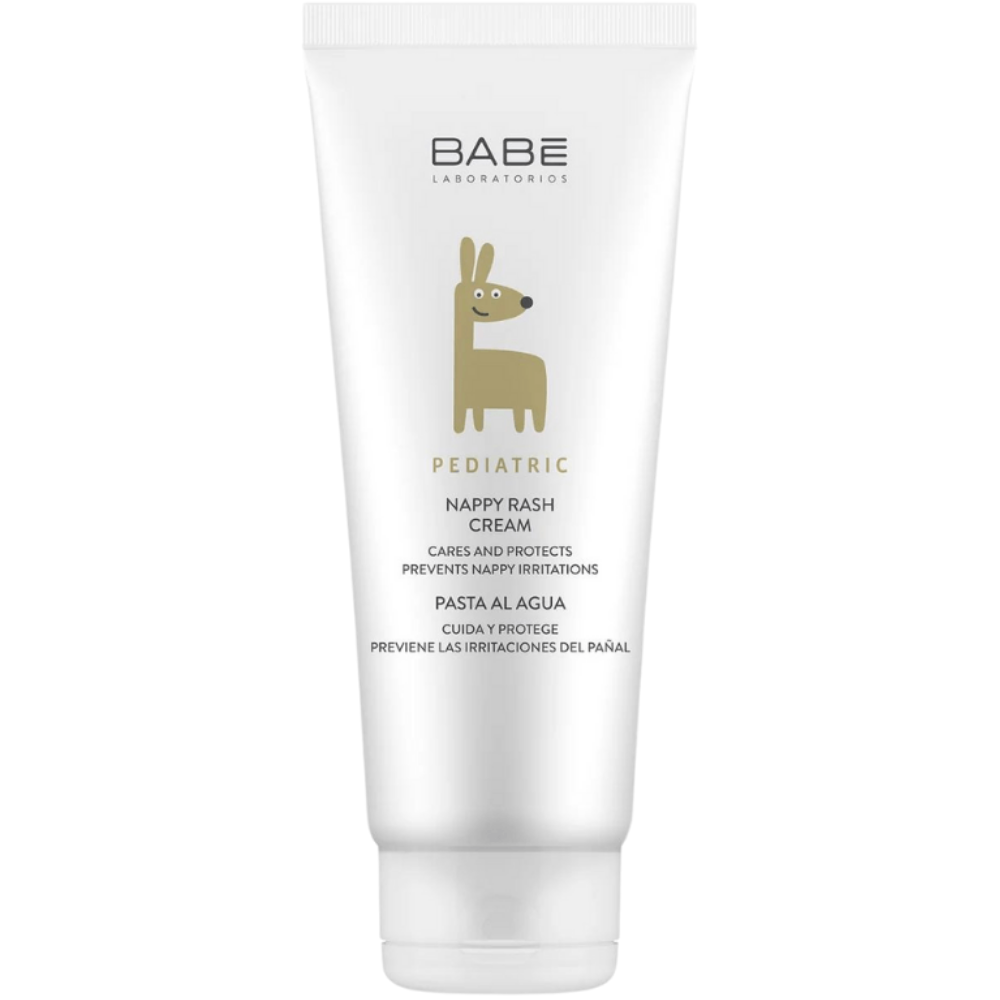
Babé Pediatric Nappy Rash Cream 100mLA skin-care product. The This product allows you to protect, soothe and repair irritated skin. Non-occlusive formulation, which allows to. It's absorbent texture allows to retain the irritating secretions thanks to zinc oxide (10%) and titanium dioxide (2%). Additionally, this product also contains panthenol and allantoin.6,36 £*Shipping: 5,22 £Secure redirect to the provider
-
Babé Pediatric Gel for Intimate Hygiene 200mLA cleansing product. The This product is a soft cleansing care with enriched formulation. The association of Babé Baby-care complex with betaine, lactic acid and alpha-glucans allows you to moisturize and promote the balance from this particular zone, preventing irritations' development. Apply to damp skin, massage and rinse thoroughly.5,98 £*Shipping: 6,94 £Secure redirect to the provider



-
How can I get rid of cradle cap as an adult?
To get rid of cradle cap as an adult, you can try gently massaging your scalp with a soft brush or cloth to loosen the scales. Using a mild, fragrance-free shampoo and washing your hair regularly can also help remove the flakes. Applying a small amount of mineral oil or baby oil to the affected areas before washing your hair can help soften the scales and make them easier to remove. If the cradle cap persists or worsens, it's best to consult a dermatologist for further evaluation and treatment options. **
-
Which mattress for a cradle?
When choosing a mattress for a cradle, it is important to select one that is firm and fits snugly inside the cradle with no gaps around the edges. This will help reduce the risk of suffocation or entrapment for the baby. Additionally, it is recommended to choose a mattress that is made of breathable materials and is waterproof or has a removable, washable cover for easy cleaning. Always follow the manufacturer's guidelines for the specific cradle you have to ensure the mattress is the correct size and type for that particular model. **
-
What is pediatric oncology?
Pediatric oncology is a medical specialty focused on the diagnosis and treatment of cancer in children. This field involves the care of children with various types of cancer, including leukemia, brain tumors, and solid tumors. Pediatric oncologists work closely with a multidisciplinary team to provide comprehensive care, including chemotherapy, radiation therapy, and surgery, as well as supportive care to manage the side effects of treatment. The goal of pediatric oncology is to provide the best possible outcomes for children with cancer while minimizing the long-term effects of treatment. **
-
What is the difference between a pediatric nurse and a pediatric nurse?
A pediatric nurse is a registered nurse who specializes in providing healthcare to children from infancy through adolescence. They are trained to assess, diagnose, and treat common childhood illnesses and injuries. On the other hand, a pediatrician is a medical doctor who specializes in the care of children, including diagnosing and treating illnesses, providing preventive care, and managing the overall health of children. While both professions focus on the health and well-being of children, pediatric nurses work under the supervision of pediatricians and provide direct patient care, while pediatricians have the authority to diagnose and prescribe treatment independently. **
What is the training for a pediatric nurse or pediatric nurse practitioner?
Pediatric nurses typically complete a Bachelor of Science in Nursing (BSN) degree and then obtain a Registered Nurse (RN) license. They may also pursue a Master of Science in Nursing (MSN) with a focus on pediatrics to become a pediatric nurse practitioner. This advanced training includes coursework in pediatric health assessment, pharmacology, and management of pediatric illnesses. Additionally, pediatric nurse practitioners complete clinical rotations in pediatric settings to gain hands-on experience in providing care to children and adolescents. **
Where is the cradle of humanity?
The cradle of humanity is believed to be in East Africa, specifically in the region of the Great Rift Valley. This area is known for its rich archaeological sites where some of the earliest human ancestors were discovered, making it the birthplace of humanity. **
Top-Angebote
Products related to Babé-Pediatric-Cradle-Cap:
-
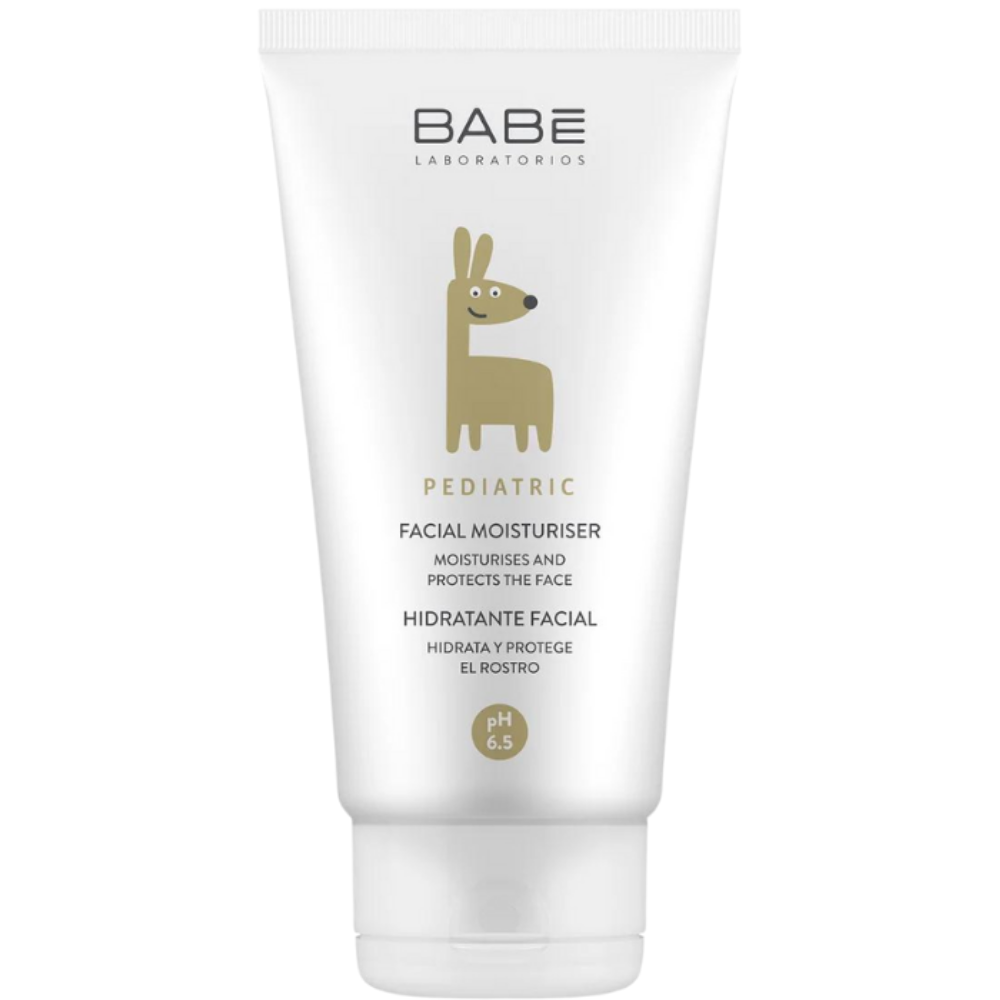
Babé Pediatric Facial Moisturizer 50mLA facial cream. The Pediatric Face Moisturizer allows you to enhance the natural protection from the skin of infants and children, protecting it from external aggressions. The formulation contains 1% Garcinia indica butter, which is able to prevent water loss. Its creamy texture allows a quick absorpton, leaving the skin feeling nourished and velvety.6,70 £*Shipping: 5,22 £Secure redirect to the provider
-
Babé Pediatric Bath Gel 500mLA cleansing product. The This product has a delicate cleansing action that protects your baby's skin. Babé's Baby-Care complex allows you to maintain skin moisturization and natural protection, while providing softness and freshness. Apply on damp skin, massage and rinse thoroughly.5,98 £*Shipping: 9,79 £Secure redirect to the provider
-
Babé Pediatric Moisturizing Body Milk 500mLA facial cream for sensitive skin. With Babé Baby-care complex and apple extract, this moisturizer also allows to soothe and comfort your baby's skin. Apply on clean and dry skin, massaging until the product is completely absorbed.8,94 £*Shipping: 9,79 £Secure redirect to the provider
-
What can be done about cradle cap?
Cradle cap is a common condition in infants that usually resolves on its own. To help manage cradle cap, gently wash the baby's scalp with a mild baby shampoo and use a soft brush to gently loosen the scales. Applying a small amount of mineral oil or baby oil to the scalp before washing can also help soften the scales. In more severe cases, a pediatrician may recommend a medicated shampoo or cream to help treat the cradle cap. **
-
What is the best remedy for cradle cap in babies?
The best remedy for cradle cap in babies is to gently massage the baby's scalp with a soft brush or washcloth to loosen the scales. Then, wash the baby's scalp with a gentle baby shampoo and rinse thoroughly. After washing, gently comb the scalp to remove any remaining scales. In some cases, applying a small amount of baby oil or coconut oil to the scalp and leaving it on for a few minutes before washing can also help loosen the scales. It's important to avoid picking or scratching at the scales, as this can cause irritation and potentially lead to infection. If the cradle cap persists or worsens, it's best to consult a pediatrician for further advice. **
-
How can I get rid of cradle cap as an adult?
To get rid of cradle cap as an adult, you can try gently massaging your scalp with a soft brush or cloth to loosen the scales. Using a mild, fragrance-free shampoo and washing your hair regularly can also help remove the flakes. Applying a small amount of mineral oil or baby oil to the affected areas before washing your hair can help soften the scales and make them easier to remove. If the cradle cap persists or worsens, it's best to consult a dermatologist for further evaluation and treatment options. **
-
Which mattress for a cradle?
When choosing a mattress for a cradle, it is important to select one that is firm and fits snugly inside the cradle with no gaps around the edges. This will help reduce the risk of suffocation or entrapment for the baby. Additionally, it is recommended to choose a mattress that is made of breathable materials and is waterproof or has a removable, washable cover for easy cleaning. Always follow the manufacturer's guidelines for the specific cradle you have to ensure the mattress is the correct size and type for that particular model. **
Similar search terms for Babé-Pediatric-Cradle-Cap
-
Babé Pediatric Nappy Rash Cream 100mLA skin-care product. The This product allows you to protect, soothe and repair irritated skin. Non-occlusive formulation, which allows to. It's absorbent texture allows to retain the irritating secretions thanks to zinc oxide (10%) and titanium dioxide (2%). Additionally, this product also contains panthenol and allantoin.6,36 £*Shipping: 5,22 £Secure redirect to the provider
-
Babé Pediatric Gel for Intimate Hygiene 200mLA cleansing product. The This product is a soft cleansing care with enriched formulation. The association of Babé Baby-care complex with betaine, lactic acid and alpha-glucans allows you to moisturize and promote the balance from this particular zone, preventing irritations' development. Apply to damp skin, massage and rinse thoroughly.5,98 £*Shipping: 6,94 £Secure redirect to the provider
-
Babé Pediatric Fluid Spray SPF 50 200 mlHealth and Beauty Creams Babé Pediatric Fluid Spray SPF 50 200 ml What is Babe Pediatric Fluid Spray SPF 50 200 ml? Babe Pediatric Fluid Spray SPF 50 200 ml is a fluid spray sunscreen specially formulated for the delicate skin of children and babies. With high broad-spectrum UVA and UVB protection, this sunscreen has been developed to ensure effective sun protection without irritating children's sensitive skin. Its fluid, lightweight texture makes it easy to apply and absorbs quickly without leaving a greasy or white residue. This dermatologically tested product is enriched with soothing and moisturizing ingredients, such as aloe vera and vitamin E, which help keep skin nourished and protected from dehydration caused by sun exposure. Who is it for? Babe Pediatric Fluid Spray SPF 50 is designed for the sensitive and immature skin of babies and children 6 months and older. Ideal for: • Babies and children with sensitive or atopic skin who require gentle but effective sun protection. • Parents looking for a practical and effective solution to protect their children during sun exposure at the beach, pool, or on walks. • Families who prefer dermatologically safe products, free of perfumes and allergens. • Children with skin prone to sunburn or adverse reactions to the sun. How do I apply it? Applying Babe Pediatric Fluid Spray SPF 50 is quick and convenient thanks to its spray format. Recommended: • Shake before use and apply generously to dry skin, 20-30 minutes before sun exposure. • Spread evenly with your hand to ensure full coverage, including areas such as the ears, neck, insteps, and behind the knees. • Reapply every 2 hours, especially after bathing, excessive sweating, or towel drying. • Avoid contact with eyes and do not apply to irritated or broken skin. Product use Regular use of Babe Pediatric Fluid Spray SPF 50 200 ml provides multiple benefits for children's skin: • Very high sun protection against burns and long-term skin damage. • Fluid, light, water-resistant texture that absorbs quickly. • Hypoallergenic formula, free of alcohol and dyes, which respects the skin's natural balance. • Moisturizing action thanks to its active ingredients such as glycerin and aloe vera. • Prevention of premature aging and protection against free radicals. • Safety and efficacy dermatologically tested even on atopic or reactive skin. Buy Babe Pediatric Fluid Spray SPF 50 200 ml Protect little ones from the sun with maximum safety thanks to Babe Pediatric Fluid Spray SPF 50 200 ml . Available in a convenient 200 ml bottle, it's perfect for carrying in a beach bag or backpack for the playground. • High UVA/UVB protection specially formulated for children. • Convenient and effortless application thanks to its spray format. • Dermatologically safe formula, suitable for delicate skin. • Provides hydration and freshness, ideal for summer. • Trusted product from Laboratorios Babé, specialists in pediatric dermatology. • Shop online now and enjoy fast, secure...14,40 £*Shipping: 3,99 £Secure redirect to the provider
-
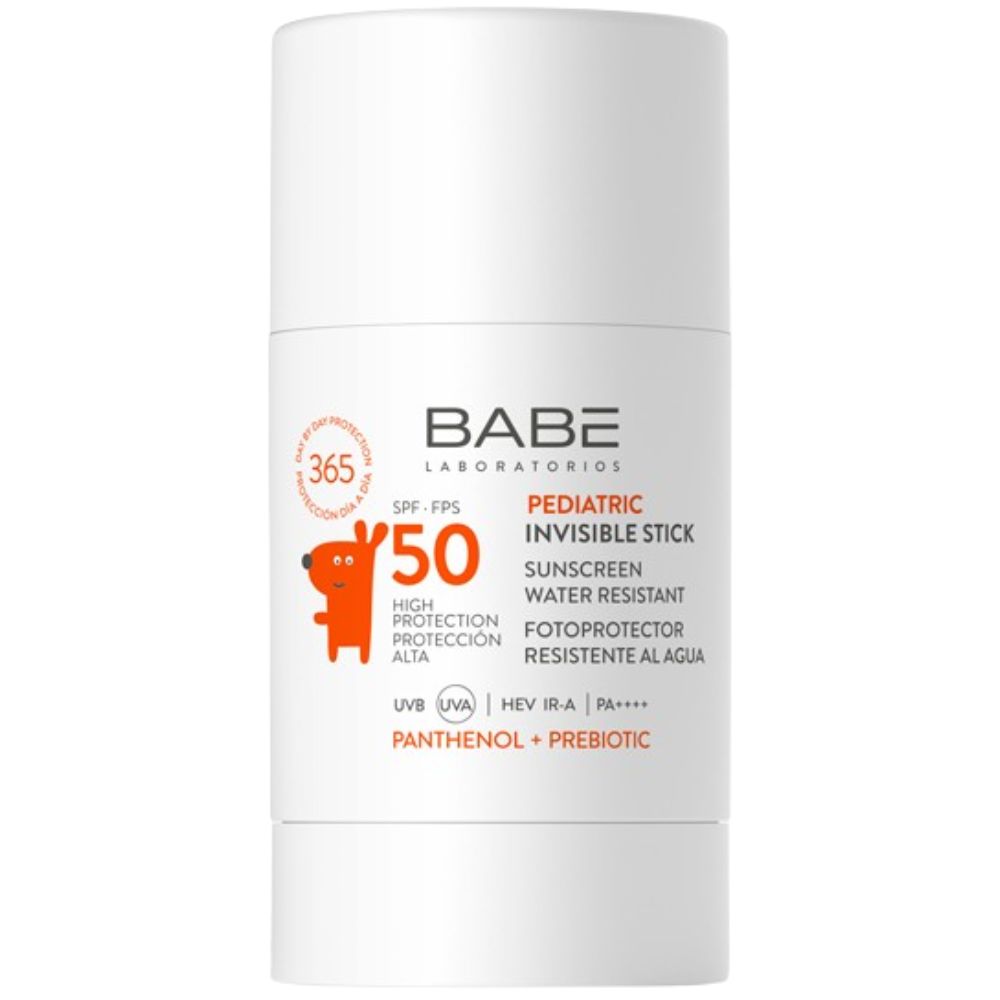
Babé Pediatric Invisible Stick SPF50 Sunscreen Water Resistant 30g SPF50A sunscreen for sensitive skin. Broad-spectrum SPF50 protection (UVB, UVA, Blue Light, IR-A, PA++++). Specially designed for babies and kids from 6 months. Ideal for delicate facial areas: cheeks, nose, ears, forehead, neck, décolleté. Invisible finish with rapid absorption. No greasy feeling and doesn’t sting the eyes.10,95 £*Shipping: 5,22 £Secure redirect to the provider
-
What is pediatric oncology?
Pediatric oncology is a medical specialty focused on the diagnosis and treatment of cancer in children. This field involves the care of children with various types of cancer, including leukemia, brain tumors, and solid tumors. Pediatric oncologists work closely with a multidisciplinary team to provide comprehensive care, including chemotherapy, radiation therapy, and surgery, as well as supportive care to manage the side effects of treatment. The goal of pediatric oncology is to provide the best possible outcomes for children with cancer while minimizing the long-term effects of treatment. **
-
What is the difference between a pediatric nurse and a pediatric nurse?
A pediatric nurse is a registered nurse who specializes in providing healthcare to children from infancy through adolescence. They are trained to assess, diagnose, and treat common childhood illnesses and injuries. On the other hand, a pediatrician is a medical doctor who specializes in the care of children, including diagnosing and treating illnesses, providing preventive care, and managing the overall health of children. While both professions focus on the health and well-being of children, pediatric nurses work under the supervision of pediatricians and provide direct patient care, while pediatricians have the authority to diagnose and prescribe treatment independently. **
-
What is the training for a pediatric nurse or pediatric nurse practitioner?
Pediatric nurses typically complete a Bachelor of Science in Nursing (BSN) degree and then obtain a Registered Nurse (RN) license. They may also pursue a Master of Science in Nursing (MSN) with a focus on pediatrics to become a pediatric nurse practitioner. This advanced training includes coursework in pediatric health assessment, pharmacology, and management of pediatric illnesses. Additionally, pediatric nurse practitioners complete clinical rotations in pediatric settings to gain hands-on experience in providing care to children and adolescents. **
-
Where is the cradle of humanity?
The cradle of humanity is believed to be in East Africa, specifically in the region of the Great Rift Valley. This area is known for its rich archaeological sites where some of the earliest human ancestors were discovered, making it the birthplace of humanity. **
* All prices are inclusive of VAT and, if applicable, plus shipping costs. The offer information is based on the details provided by the respective shop and is updated through automated processes. Real-time updates do not occur, so deviations can occur in individual cases. ** Note: Parts of this content were created by AI.